Gave appraisal comparison properties included land, therefore not an accurate valuation.
That's a homeowner's one-line review of a recent Rocky Mount-area appraisal job, and it captures a problem that doesn't show up anywhere on a listing sheet. The appraiser had been hired to value a manufactured home. The comparable sales used to build that value included land ownership the actual home didn't have. The number that came back didn't describe the asset anyone was actually buying or selling.
That mismatch isn't a one-off appraiser mistake. It's a preview of a fork that runs through a big share of Rocky Mount's affordable housing stock, and it decides which mortgage a buyer can actually get long before anyone gets to closing.
The Same Price Tag, Two Different Products
Rocky Mount's home prices have stayed genuinely affordable through 2026. Redfin's data through the three months ending in May put the median sale price at $205,000, up 9.0% from the same stretch a year earlier, with homes typically taking 57 days to sell, nine days slower than the 48 days it took the year before. Zillow's home value index for roughly the same window landed lower, at $189,951, up 8.7% over the past year. Houzeo's read on the market came in lower still, at $185,000, essentially flat year over year.
Three data providers, one city, and a $20,000 spread between the highest and lowest number. Part of that is just methodology: a trailing three-month median moves differently than a repeat-sales index. But the spread also reflects something true about what's actually for sale here. Rocky Mount's inventory isn't one uniform product priced along a single curve. It's a mix of site-built houses and manufactured homes on owned land, and those two categories don't behave the same way in front of a lender, no matter what number shows up next to the listing.
At $400,000, a few thousand dollars of extra financing cost is a rounding error. At $185,000 to $205,000, it's a meaningfully bigger share of the deal, which is exactly why the financing fork matters more here than it would in a pricier market.
What Actually Separates the Two Loan Tracks
A manufactured home qualifies for a standard conventional, FHA, or VA mortgage only when it clears a specific set of structural and paperwork hurdles. It has to have been built after June 15, 1976, when HUD's manufactured housing code took effect. It has to sit on a permanent foundation with a stamped certificate from a licensed engineer confirming that foundation meets HUD guidelines. And its title has to have been formally retired as a vehicle and converted to real property, with the HUD data plate and red tag numbers documented, usually found inside a kitchen cabinet or electrical panel.
Miss any one of those pieces and the home doesn't stop being a home. It just gets pushed into chattel loan territory instead, financed as personal property rather than real estate, with shorter terms, a bigger down payment, and a rate that reflects the lender's higher risk on a depreciating asset rather than land-backed real estate.
| Real-property-titled (conventional / FHA / VA) | Not yet converted (chattel) | |
|---|---|---|
| Term | Up to 30 years | Often 15 to 20 years |
| Minimum down payment | As low as 3% under Fannie Mae's MH Advantage or Freddie Mac's CHOICEHome programs | Typically higher |
| Foundation | Permanent, engineer-certified | Not required |
| Title status | Retired as a vehicle, converted to real property | Still titled as personal property |
| Rate character | Competitive with site-built financing | Higher, priced for personal-property risk |
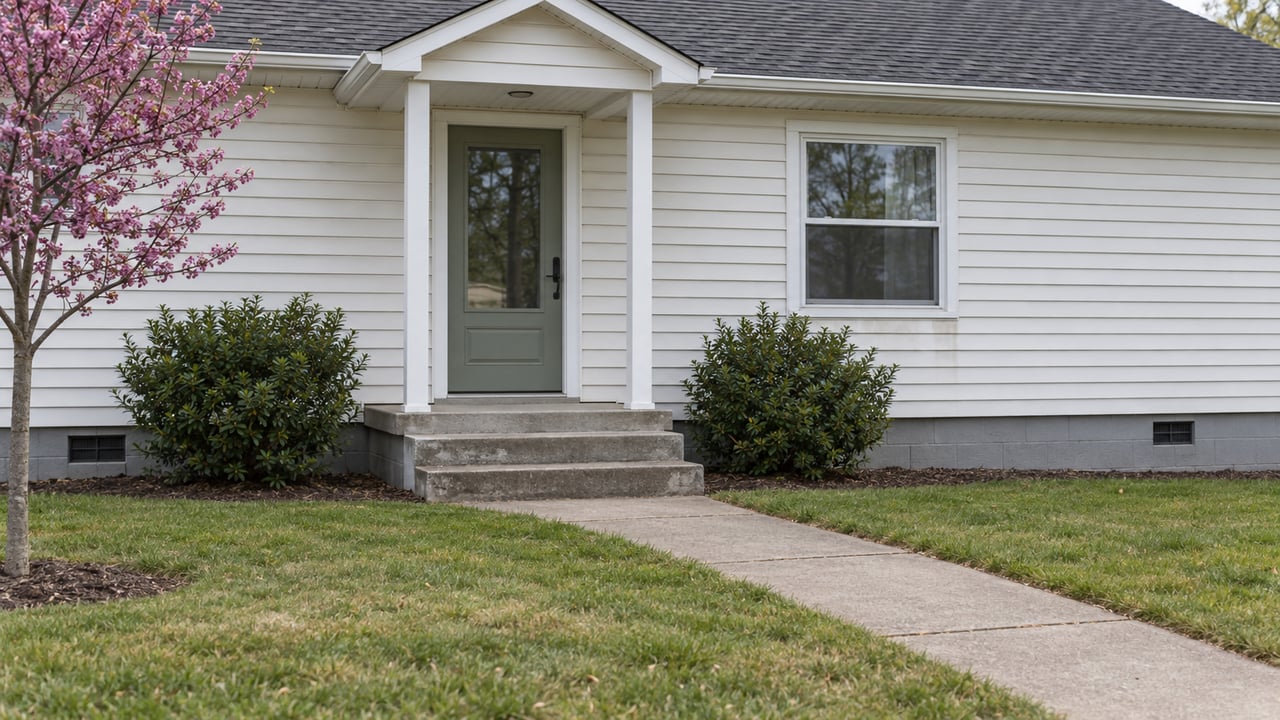
Two homes can sit at the identical asking price with identical square footage, and one of them qualifies for a 30-year loan at a competitive rate while the other doesn't qualify for a mortgage at all in the conventional sense. Nothing about the exterior tells you which is which.
Why the Down Payment Isn't the Only Gap
State Employees' Credit Union runs one of the more buyer-friendly manufactured home loan programs available in North Carolina, and even its terms draw a hard line partway through. SECU will finance up to 100% of a home's purchase price up to $500,000, plus up to $2,000 toward closing costs, with a 1% origination fee capped at $2,500 and no application or credit report fees. That's a genuinely strong entry point for a buyer without a large down payment saved.
But the same program caps cash-out refinancing at 65% loan-to-value, and it reserves that cash-out option for double-wide manufactured homes only. Single-wide homes are excluded from cash-out refinancing entirely, no matter how much equity has built up. For an investor planning to buy, rehab, and pull equity back out through a refinance, that single detail can decide whether a deal pencils out at all, and it has nothing to do with the purchase price.
Where This Shows Up on the Ground
Downtown Rocky Mount has spent the last several years adding new stick-built housing stock that never faces any of this ambiguity. The Rocky Mount/Edgecombe Community Development Corporation, a nonprofit that has worked in the area since 1988, built a new infill neighborhood next to Thorne Ridge Apartments and has already completed and sold three dozen new houses there, all titled as real property from day one. That construction sits within reach of the renovated Douglas Block, once the city's historic African American business district and now home to both residential and retail space, and the Rocky Mount Event Center that opened beside it. The Edgecombe Community College Biotechnology and Medical Simulation Center, a 45,000 square foot facility that opened in January 2016, brought steady daily foot traffic into the same stretch of downtown, and a planned pedestrian corridor called the Monk to Mill Trail is meant to eventually link that core to the surrounding park system. Back in 2022, the city also broke ground on Five Points Crossing, an affordable housing project city leaders framed as part of a push toward 500 downtown apartments.
That cluster of investment is pulling new, conventionally financeable rooftops toward the center of the city. Further out, in the county's more rural pockets, manufactured homes on owned land remain a common and perfectly legitimate way to own property in Nash and Edgecombe counties, and it's exactly there that the real-property paperwork trail is more likely to have gaps, simply because those homes are often older and the conversion process was never fully documented at the time.
What to Check Before You Write the Offer
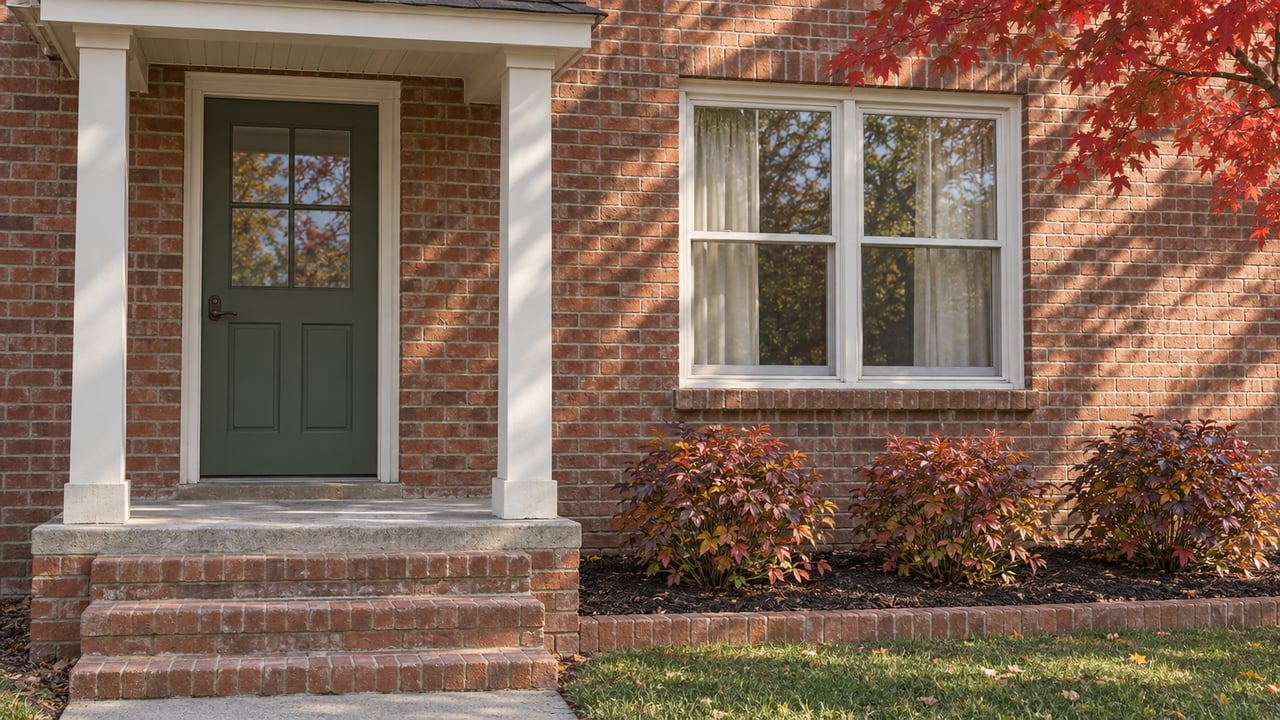
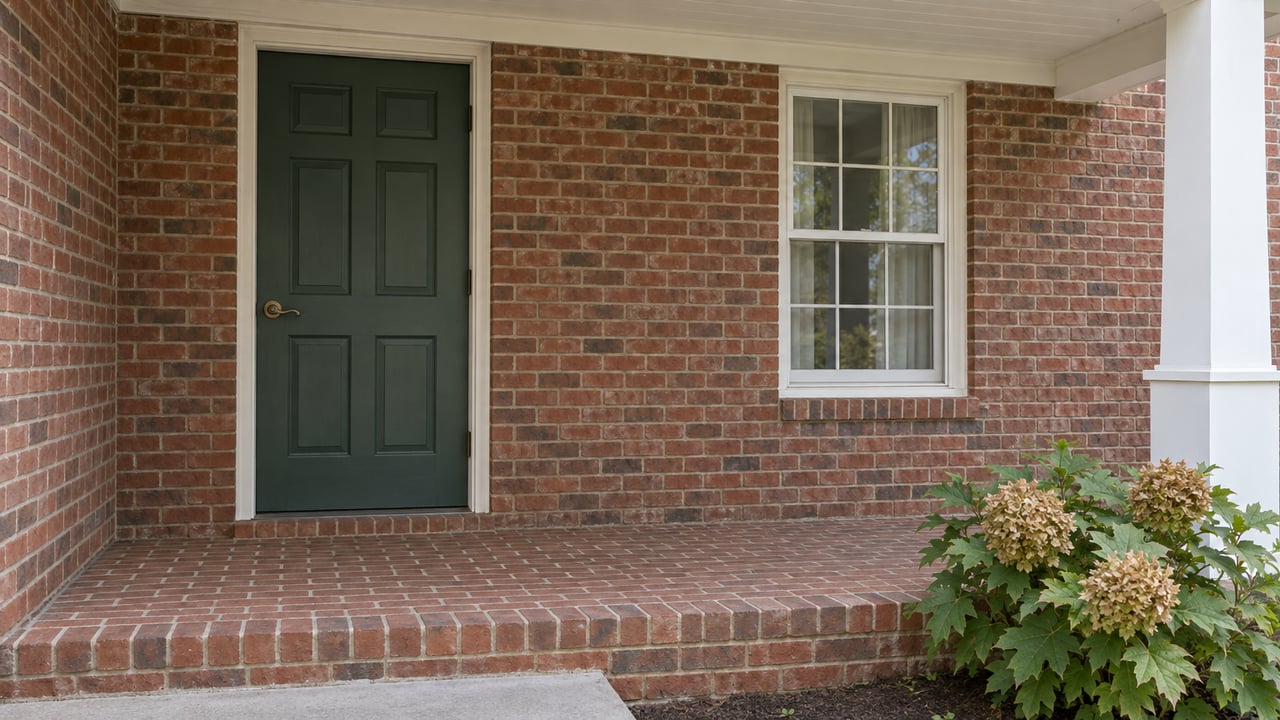
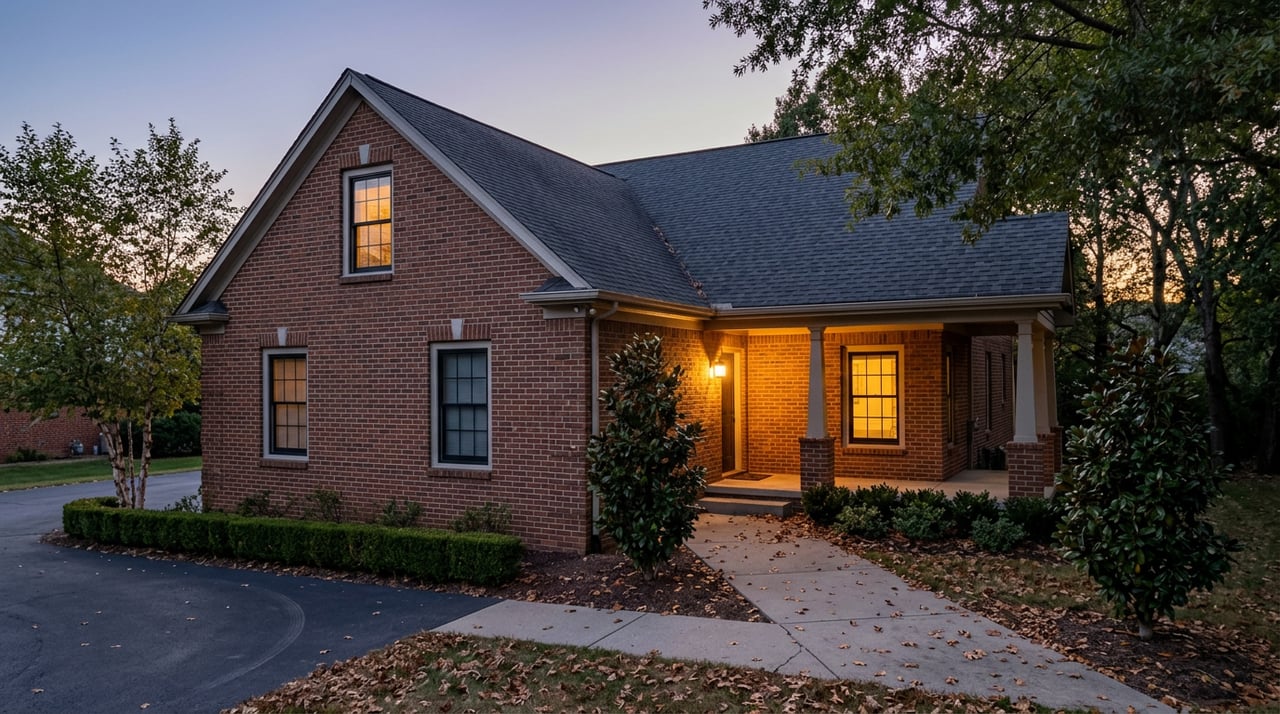
None of this shows up in a listing photo, which means it has to get asked out loud, early, by whoever is representing the buyer or the seller.
- Confirm the HUD data plate and red tag numbers are still present and documented, not just assumed to exist
- Ask whether the vehicle title was actually retired and the home converted to real property, with paperwork to show it, not just a foundation that looks permanent
- Request the engineer's foundation certificate directly if the home is manufactured, rather than relying on a visual check
- If you're the seller, disclose the structure type and any known gaps in that paperwork before the home goes under contract, since a financing fall-through weeks into escrow costs everyone time
- If you're comparing two listings at the same price, ask your lender which loan product each one actually qualifies for before getting attached to either one
A house that looks identical to the one next door can require a completely different conversation with a lender, and the only way to find out which conversation you're having is to ask the question before you're under contract, not after.
If you're weighing a Rocky Mount purchase or getting ready to list a home that might fall into either category, Integrity Realty Group, LLC can walk through what your specific property qualifies for before you're locked into a contract. Make every move with integrity.
This article is general information, not legal, tax or financial advice. Consult a qualified professional about your situation.