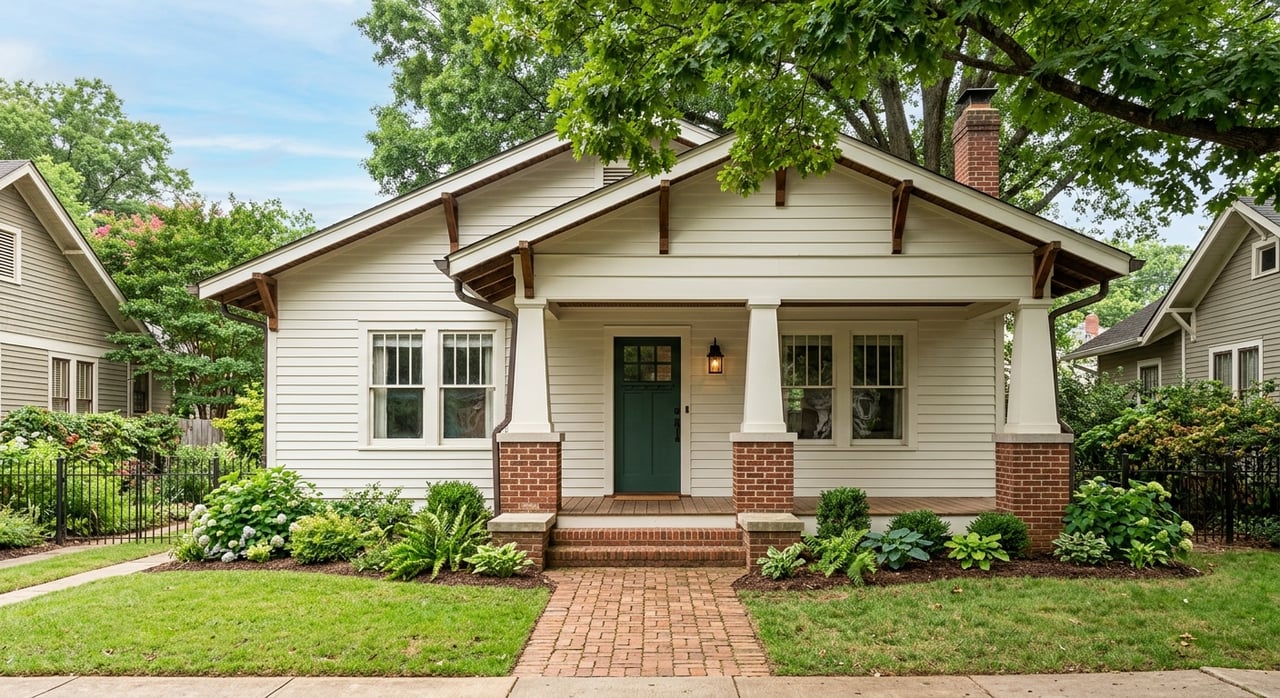
If you are drawn to places with real character, Winston-Salem gives you more than one way to find it. Some parts of the city are shaped by centuries of history, while others are changing quickly with new housing, street improvements, trails, and mixed-use development. If you are trying to decide where you might feel most at home, it helps to understand how these historic and emerging areas differ in look, feel, and day-to-day convenience. Let’s dive in.
Why Winston-Salem Feels Layered
Winston-Salem stands out because its residential story was built in phases. Moravian settlement patterns helped shape some of the city’s oldest places, tobacco-era growth added distinctive neighborhoods and commercial corridors, and more recent redevelopment has reshaped parts of downtown.
That mix gives you a city where preserved architecture and newer investment often sit close together. In practical terms, that means you can compare historic districts with strong design identity against areas that offer more mixed-use energy, evolving street life, and growing trail connections.
Historic Areas With Lasting Character
Old Salem
Old Salem is North Carolina’s first local historic district and one of Winston-Salem’s major preservation anchors. Its buildings reflect the city’s Moravian roots, later Federal and Greek Revival influences, and a 20th-century Moravian Revival phase.
If you are considering a home in or near Old Salem, character is a major part of the appeal. The district standards also emphasize historically compatible materials and forms, with wood, brick, stone, and stucco preferred over vinyl or aluminum siding.
Historic Bethabara Park
Historic Bethabara Park reaches even further back, dating to 1753. It covers 183 acres and includes preserved historic buildings, grounds, wildlife habitat, and walking and birding trails.
This area is both a National Historic Landmark and a local historic district. The city describes it as a museum-quality place, which helps explain why new work in the district must remain compatible with its historic character.
West End
West End was Winston-Salem’s first Historic Overlay District. The city describes it as one of North Carolina’s most intact turn-of-the-century streetcar suburbs.
You will find a strong collection of Queen Anne, Neoclassical Revival, Colonial Revival, and Craftsman houses here. Its layout also stands out, with parks and residential boulevards shaping the street pattern in a way that still feels distinct today.
Washington Park
Washington Park was designed in 1906 and is known for older housing stock on higher ground south of Old Salem. Its architectural mix includes Queen Anne, Classical Revival, Shingle, Craftsman, Colonial Revival, Moravian Revival, and Tudor Revival styles.
For buyers who enjoy variety in older homes, this is an area worth understanding. The architecture is not one-note, and that can make the neighborhood feel visually rich from one block to the next.
West Salem
West Salem reflects a 19th-century bedroom-community origin west of Old Salem. The city ties the district to Salem’s post-Civil War growth and highlights its vintage homes.
If you like older neighborhoods with a clear historical thread, West Salem adds another layer to Winston-Salem’s story. It offers a different expression of historic housing than Old Salem or West End, but it remains part of the same preserved fabric.
Emerging Areas Drawing Attention
Downtown Core And Arts District
The city’s 2023 Downtown Winston-Salem Plan gives a clear picture of where current investment is headed. It covers areas such as the Arts District, Fourth Street, Industry Hill, and Innovation Quarter, with recommendations centered on housing affordability and variety, reuse of vacant space, storefront activation, stronger food options, public art, pedestrian connectivity, and more trees and landscaping.
That matters if you want a neighborhood where change is visible on the ground. Downtown is not just about offices or entertainment. The city’s plan points toward a more connected, lived-in environment with a broader range of housing and daily activity.
The Arts District, located in the Downtown North historic area between Trade and Liberty Streets, is described as a creative hub of galleries, studios, public art, shops, and restaurants. Historic-building renovations, mixed-use projects, and street changes are also helping tie it more closely to nearby districts.
Innovation Quarter
Innovation Quarter is one of Winston-Salem’s strongest engines for present-day growth. It is a mixed-use innovation district downtown, with living options that range from renovated factories to newer construction.
Its Phase II buildout is planned to add 28 acres and about 2.7 million square feet of clinical, lab, office, retail, hospitality, and multifamily space. The district also reports more than 30 developable acres, which shows there is still room for future projects and continued change.
For a buyer, that can translate into a very different experience from Winston-Salem’s older districts. Instead of preservation-first housing character, the draw here is a more contemporary mix of uses, adaptive reuse, and proximity to an area still growing into its next phase.
What Daily Life Can Look Like
Walkability And Street Connections
Winston-Salem has been working to improve downtown connectivity through its two-way street conversion project. The goal is to slow traffic, improve pedestrian use, and strengthen how downtown districts connect to one another.
Portions of First and Second Streets have already been converted, and later phases have focused on Liberty and Main Streets. For residents, those kinds of changes can affect how easy downtown feels to navigate on foot and how connected separate districts feel in daily life.
Trails And Greenways
Outdoor access is another strong part of the city’s appeal. Winston-Salem’s greenway network totals more than 25 miles, and many routes connect key destinations for both recreation and local transportation.
Long Branch Trail links Martin Luther King Jr. Drive, Innovation Quarter, Bailey Park, and Salem Creek Greenway. Salem Creek Greenway runs through Washington Park, Old Salem, Happy Hill, Reynolds Park, and Salem Lake, which helps connect historic areas and newer activity centers in a practical, visible way.
Transit And Parking
If convenience matters, downtown has some clear advantages. The Clark Campbell Multimodal Transportation Center at Fifth, Trade, and Liberty serves as the hub for Winston-Salem Transit Authority service.
The city also says downtown has more than 800 on-street parking spaces, with free parking after 5 p.m. on weekdays and all weekend long in city-managed spaces. That can be a meaningful day-to-day benefit if you want downtown access without as much parking stress.
Arts, Food, And Public Space
Winston-Salem markets itself through culture as much as architecture. The city and county have a Public Art Commission and an adopted public art plan for 2020 through 2030, which helps explain why public art is so visible in downtown and Innovation Quarter.
The result is a city where art often feels built into daily routines rather than set apart from them. Murals, sculptures, galleries, theaters, and live events all help shape the street experience in the downtown core.
The dining scene is also part of that energy. Official tourism sources describe a dense restaurant mix on Fourth Street and in nearby districts such as the Arts District and historic West End, with options ranging from fine dining to cafés and soul food.
That does not just add entertainment value. It supports a more active street life and gives some of Winston-Salem’s emerging areas a sense of momentum that feels different from the quieter appeal of historic residential districts.
A Key Rule For Historic Homes
If you are shopping in an older part of Winston-Salem, one detail matters more than many buyers first realize. You need to know whether a property is in a local historic district or overlay or whether it is only in a National Register district.
That distinction affects what kinds of exterior changes may require approval. Local districts such as Old Salem, Bethabara, and West End require exterior-review approval for many changes, while National Register listing alone does not create that same local review process.
The city’s Heritage Neighborhoods program adds another layer worth knowing about. A neighborhood can have historic identity and recognition without carrying the same historic restrictions.
How To Think About Your Options
A simple way to compare Winston-Salem’s historic and emerging areas is to focus on what matters most in your daily life. Older districts often offer stronger architectural identity and a deeper preservation context, while newer investment corridors tend to offer more mixed-use convenience, trail access, and changing street activity.
Neither option is automatically better. It depends on whether you are most excited by restored character, established historic fabric, and design review, or by evolving districts with new projects, stronger downtown connections, and a more flexible urban feel.
If you want help sorting through those tradeoffs, a steady local guide can make the process much clearer. Whether you are comparing historic homes, looking at downtown living, or trying to understand how location affects your long-term plans, Integrity Realty Group, LLC is here to help you make every move with integrity.
FAQs
What makes Old Salem important in Winston-Salem?
- Old Salem is North Carolina’s first local historic district and reflects Moravian roots along with later Federal, Greek Revival, and Moravian Revival architecture.
What is the difference between a local historic district and National Register listing in Winston-Salem?
- A local historic district or overlay may require exterior-review approval for many changes, while National Register listing alone does not create that same local review requirement.
Which Winston-Salem areas are seeing newer investment?
- The 2023 downtown plan highlights areas such as the Arts District, Fourth Street, Industry Hill, and Innovation Quarter as key places for housing variety, reuse, storefront activity, public art, and connectivity improvements.
What is Innovation Quarter in Winston-Salem?
- Innovation Quarter is a mixed-use downtown district with housing in renovated factories and newer buildings, plus a planned Phase II expansion of 28 acres and about 2.7 million square feet of additional space.
Are there trails connecting historic and newer areas in Winston-Salem?
- Yes. Long Branch Trail and Salem Creek Greenway help connect places such as Innovation Quarter, Bailey Park, Washington Park, Old Salem, and Salem Lake.
Is downtown Winston-Salem convenient for parking and transit?
- Yes. Downtown includes the Clark Campbell Multimodal Transportation Center as the transit hub, plus more than 800 on-street spaces and free parking in city-managed spaces after 5 p.m. on weekdays and all weekend.