Thinking about a move to High Point because of a new job, a career change, or simply the need for a fresh start? You are not alone, and you are probably asking the same practical questions most movers ask first: What is the housing like, how easy is the commute, and what should you know before choosing an area? This guide walks you through what relocation to High Point really looks like, from housing options to travel patterns and scouting-trip tips. Let’s dive in.
Why High Point draws relocators
High Point is a mid-sized city in Guilford County with about 116,926 residents, while Guilford County had 549,866 residents in 2023. For many buyers and renters, that size can feel like a middle ground between a smaller town and a larger metro. You get access to jobs, services, and transportation connections without stepping into a massive city footprint.
The local economy is broad, which matters if you are moving for work or want flexibility after you arrive. City information highlights furniture and design as part of High Point’s identity, but it also points to innovative manufacturing, logistics, life sciences, healthcare, education, and specialized business services. In 2025, the city reported $97 million in new capital investment and 422 new full-time jobs.
High Point also has a strong seasonal identity through the High Point Market. That event is trade-only and remains a major part of the city’s rhythm each spring and fall. If you are relocating from out of town, it is smart to factor those market weeks into your planning.
What the housing mix looks like
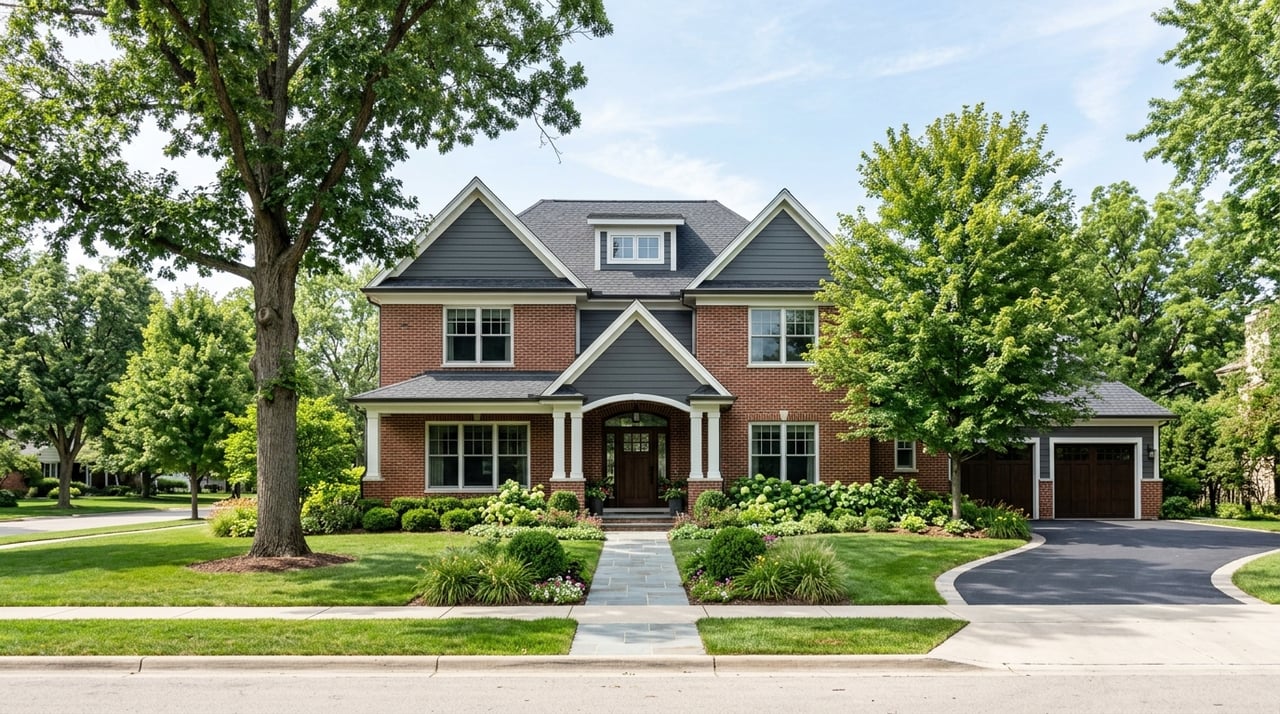
If you picture High Point as all one type of housing, think again. The city’s housing stock leans heavily toward detached homes, with 64% of residential properties classified as 1-unit detached structures. After that, 15% are in 5-to-19-unit buildings, 7% are attached single-unit homes, and 7% are in 2-to-4-unit buildings.
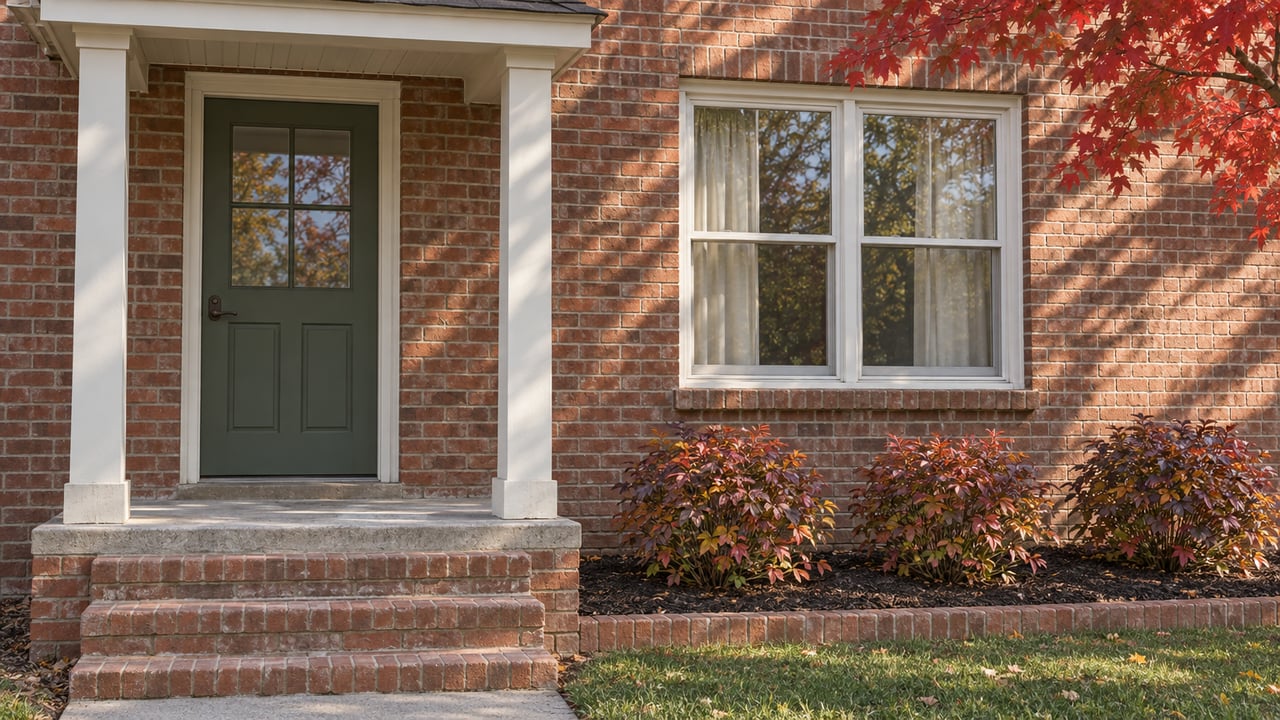
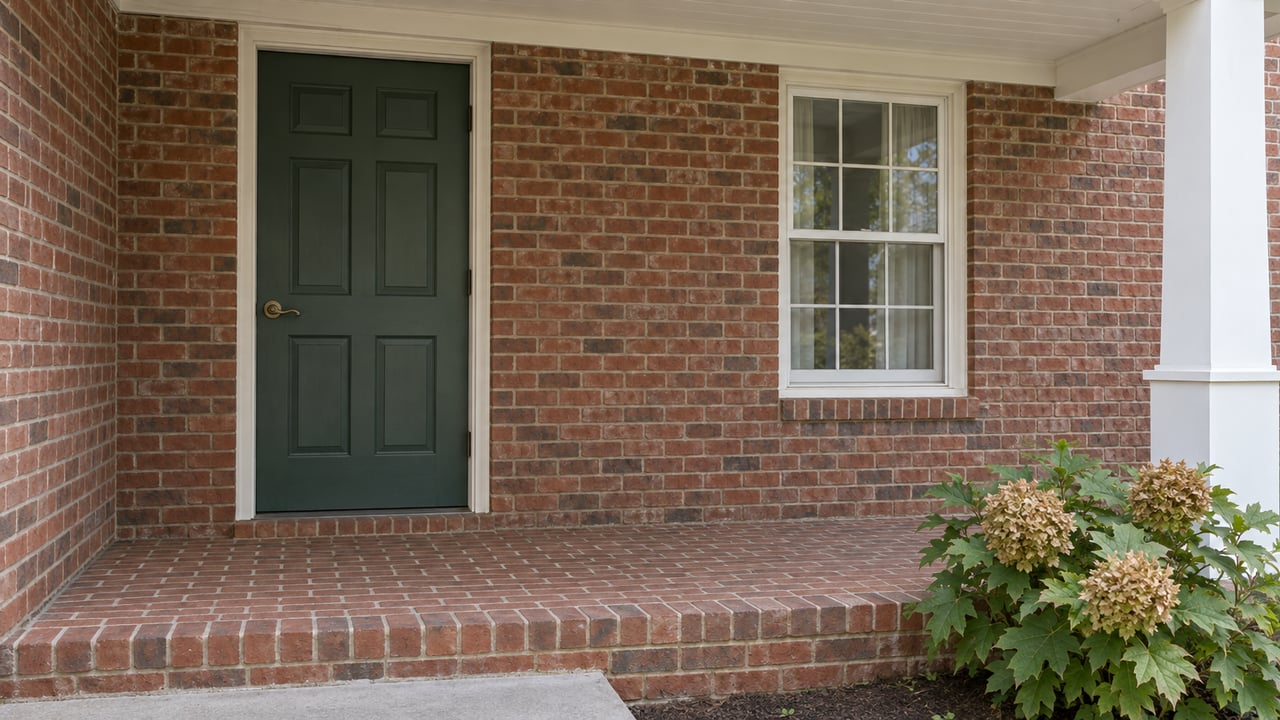
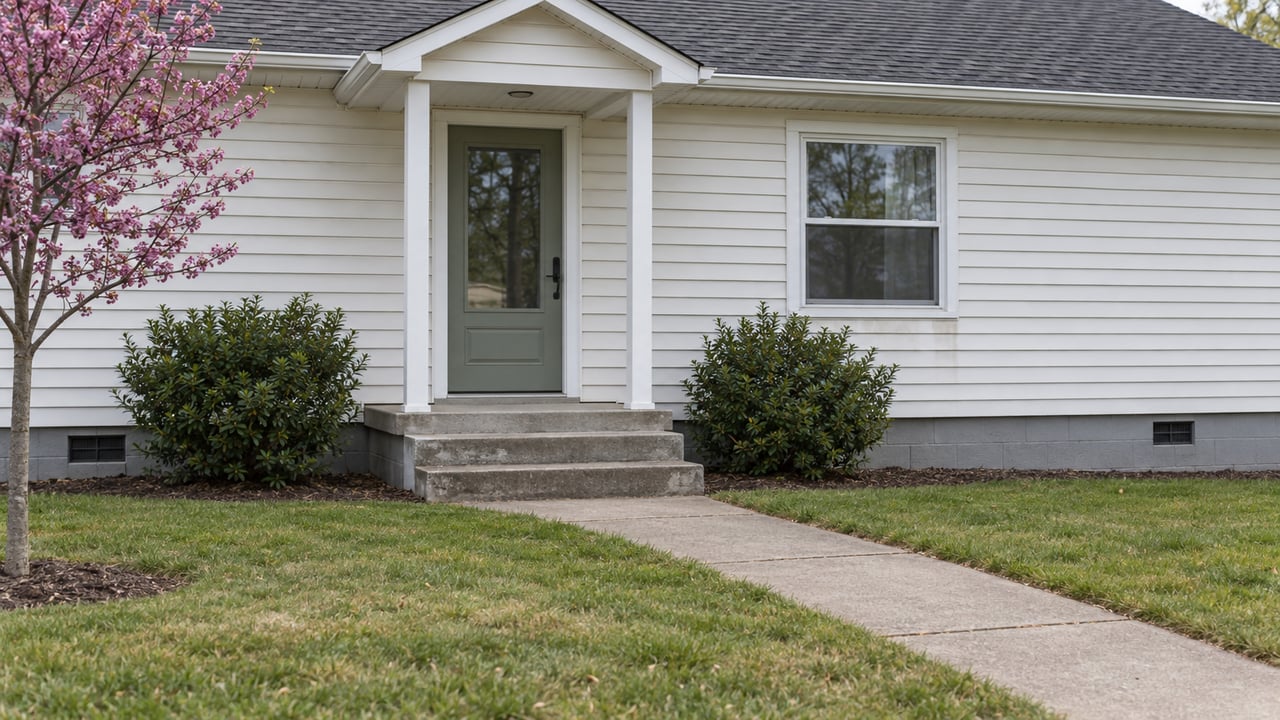
That mix gives you options depending on your stage of life and budget. You may find single-family homes, townhomes, condos, and apartment-style living within the city. It also means your search can be shaped around commute, upkeep, and layout, not just one housing type.
High Point’s housing stock is not all brand-new. The city says 42.7% of homes were built before 1980, which suggests you may see a meaningful mix of older properties alongside newer choices. If you like character or are open to updates, that can widen your search, but it also makes property condition and renovation planning more important.
What prices and rents suggest
High Point still offers a range of housing choices, but it should not be viewed as a bargain-basement market. The city reports a median owner-occupied home value of $212,400 and a median rent of $1,062. Its more recent 2025 planning analysis cites a Zillow home value index of $248,050 and a Redfin summer 2025 median sale price of $270,000.
For you as a relocating buyer or renter, those numbers point to a market with entry-level and mid-market opportunity, but not unlimited low-cost inventory. It helps to get clear early on about your monthly comfort zone, must-have features, and whether you are open to homes that may need some updates. A focused plan can save you time once you start touring.
Work opportunities in High Point
One of High Point’s biggest strengths is that it functions as both a residential market and a job center. The city’s planning and economic reports show manufacturing as the largest employment sector, followed closely by education and healthcare. That gives relocating households a broader employment base than many people expect.
Major employers named by the city include Ralph Lauren, Atrium Health Wake Forest Baptist High Point Medical Center, High Point University, Daimler Thomas Built Buses, Guilford County Schools, Aetna, the City of High Point, Volvo Group North America, HAECO Americas, and Slane Hosiery Mills. The city also points to aerospace, supply chain and logistics, life sciences, arts and design, business services, and furniture-related industries.
Healthcare stands out in particular. High Point’s living-here information says the city is anchored by three nationally ranked healthcare systems and more than 20,000 active healthcare professionals. If your move is tied to healthcare, education, manufacturing, or logistics, High Point offers a work landscape worth a close look.
What commuting is really like
For many people moving to High Point, the commute shapes the home search just as much as price. The city reports an average commute time of 20.5 minutes, and more than 44,700 people commute into High Point for their primary job. That tells you High Point is part of a larger regional work pattern, not an isolated local market.
Driving is a major part of daily life here. High Point says its transportation system includes more than 640 miles of streets, 242 miles of sidewalks, and 8 miles of bike lanes. It also highlights access to I-40, I-73, I-74, and I-85, which can make regional travel easier depending on where you work.
Rail and air connections add flexibility. The city notes daily Amtrak service to Charlotte, Raleigh, and New York, along with access to Piedmont Triad International Airport and its 59 nonstop passenger flights per day. If your work involves regular travel, those connections may become a real quality-of-life factor.
Transit matters, but do not assume convenience
Public transit is available in High Point, but it is more limited than what you would expect in a larger metro. High Point Transit operates fixed-route bus service, ADA complementary paratransit, and demand-responsive service Monday through Saturday. The city also points workers to PART bus service for some regional commuting.
That said, the city’s 2025 planning document is clear that transportation options and transit connections between High Point, Greensboro, and Guilford County still need improvement. If you rely on transit, do not assume every address will work equally well for your routine. It is worth testing the route before you commit.
The city also describes ACCESS as a door-to-door option for qualifying elderly and disabled riders. For some households, that can be an important planning detail when weighing mobility needs and daily logistics.
Education and training options nearby
Even if you are not moving for school, nearby campuses can matter in a relocation decision. High Point says there are four community colleges and 13 colleges and universities within 25 miles of downtown. That broad network can support continuing education, workforce training, and career changes without requiring you to live next door to one specific campus.
Two of the most visible anchors are High Point University and Guilford Technical Community College. High Point University sits about a mile from downtown and includes 112 buildings on 430 acres. GTCC’s High Point Campus on South Main Street offers associate degrees, workforce training, and continuing education programs.
For relocating households, that can mean more than classroom access. A strong education and training network can expand job options over time and make it easier to adapt if your plans change after the move.
How to plan a smart scouting trip
A relocation trip goes better when you do some homework first. High Point’s Planning and Development resources say thePoint GIS can help you research a property’s street address and zoning, while property information tools can help verify ownership, jurisdiction, and whether a parcel is inside city limits or in the ETJ.
That ETJ detail is easy to miss. Some properties may have a High Point mailing address but still be located in Guilford County while remaining within High Point’s development jurisdiction. If you are comparing edge-of-town areas, it is smart to verify that status before narrowing your choices.
BuildHighPoint.com is the city’s one-source guide for permits, annexation, and other development steps. If you are considering a fixer-upper or a property with future improvement plans, knowing how and where local paperwork happens can help you ask better questions early.
Best way to test your move
When you visit High Point, try to test your future routine instead of just touring homes. Map your commute, then drive it during the times you would actually travel. Real traffic patterns usually tell you more than an app estimate.
It also helps to group showings by area so you can compare how each part of town feels in a practical way. If your move is tied to High Point University or GTCC, add those visits to the same day. That gives you a better sense of how home location and daily travel fit together.
Before you book travel, check the High Point Market calendar. Since market weeks affect accommodations, transportation, and appointments, your first visit may go much smoother if you avoid those dates. If you are looking at a home that may need renovation, note that the city’s Development Services Center handles permit-related requests on weekdays from 8 a.m. to 4 p.m.
Local programs worth knowing
If you are buying or renting on a tighter budget, it is worth knowing that local housing resources exist. The city points residents to the Housing Authority of High Point for rental subsidies and related assistance. Its Community Development and Housing pages also list homebuyer assistance programs, home repair programs, and homebuyer education.
The city’s Homebuyer Qualifications page says eligible homes include single-family houses, condos, or townhomes within city limits, and pre-purchase education is required. If you may qualify for help, that is something to explore early in your planning process, not at the last minute.
What relocating to High Point really means
At a practical level, High Point reads as a commuter-oriented city with a broad housing mix and a more varied job base than many first-time visitors expect. You can find detached homes, attached homes, and apartment options, while also tapping into employment tied to manufacturing, healthcare, education, logistics, and design-related industries.
The key is to make your move based on real daily needs. Narrow the commute first, confirm a property’s zoning and jurisdiction, and be thoughtful about travel timing during Market weeks. If you do that, you will be in a much better position to choose a home that supports your next chapter.
If you want a steady, plainspoken partner to help you think through your next move, connect with Integrity Realty Group, LLC. We believe real estate guidance should be clear, practical, and centered on what works best for you.
FAQs
What kind of housing is common in High Point, NC?
- High Point’s housing stock is mostly single-family detached homes, which make up 64% of residential properties, along with townhomes, condos, and multi-unit options.
What is the typical home price in High Point, NC?
- City and planning data show a median owner-occupied value of $212,400, with more recent 2025 figures citing a home value index of $248,050 and a median sale price of $270,000.
Is High Point, NC a good place to move for work?
- High Point has a diversified economy with jobs in manufacturing, healthcare, education, logistics, business services, and design-related industries.
How long is the average commute in High Point, NC?
- The city reports an average commute time of 20.5 minutes, though your actual drive will vary based on your work location and route.
Does High Point, NC have public transportation?
- Yes, High Point Transit offers fixed-route bus service, paratransit, and demand-responsive service, but the city says transit connections still need improvement in some areas.
What should I check before buying a home in High Point, NC?
- You should verify commute patterns, confirm whether the property is inside city limits or in the ETJ, and review zoning or permit details if the home may need updates.