Wondering whether an older home or a newer one makes more sense in Rocky Mount? You are not alone. In a market where character homes are common but newer builds offer modern convenience, the right choice often comes down to your budget, repair comfort, and long-term plans. This guide will help you weigh the real tradeoffs so you can shop with more confidence. Let’s dive in.
Rocky Mount has plenty of both
If you are house hunting in Rocky Mount, you will notice pretty quickly that older homes are a big part of the local market. The city’s 2024 to 2026 Consolidated Plan reports that 47% of occupied housing units were built before 1980, while a much smaller share of owner-occupied and renter-occupied homes were built in 2000 or later.
That matters because your decision is not just about style. It also affects maintenance, financing, inspections, and how much work you may want to do after closing. With Rocky Mount homes selling at a median price around $205,000 and averaging 57 days on market in May 2026, condition and loan readiness can matter just as much as price.
Why buyers choose older homes
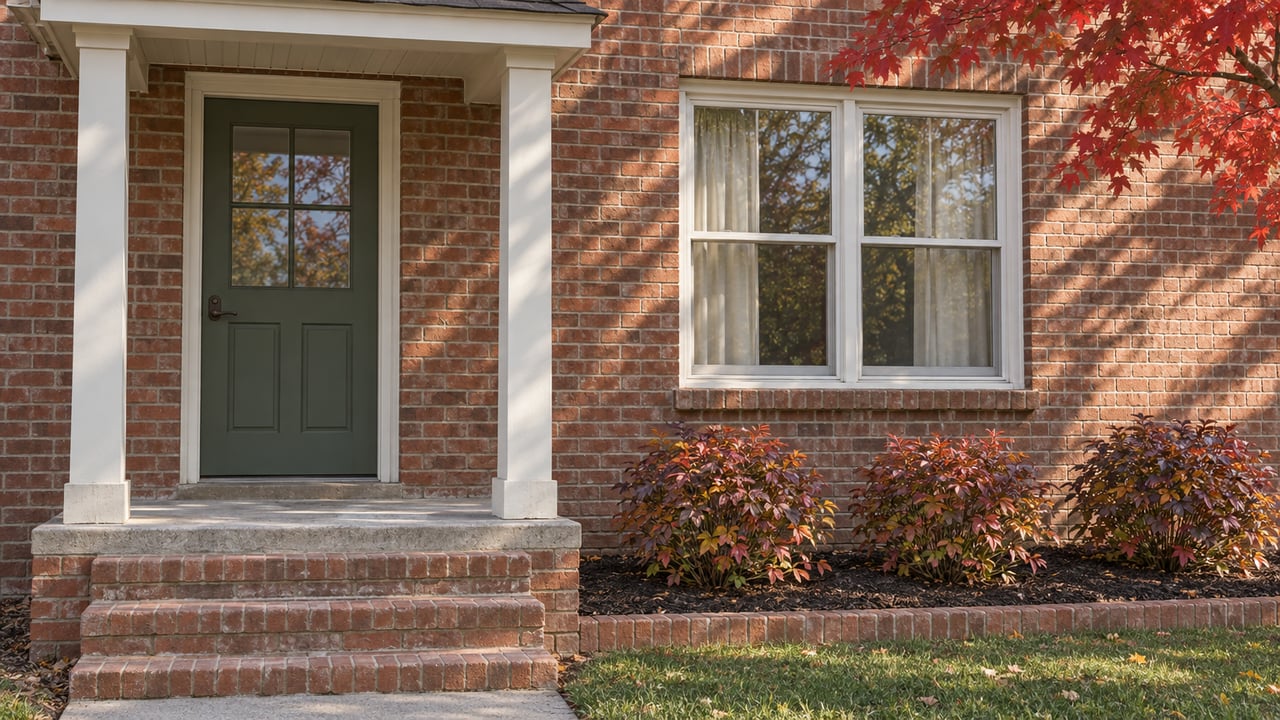
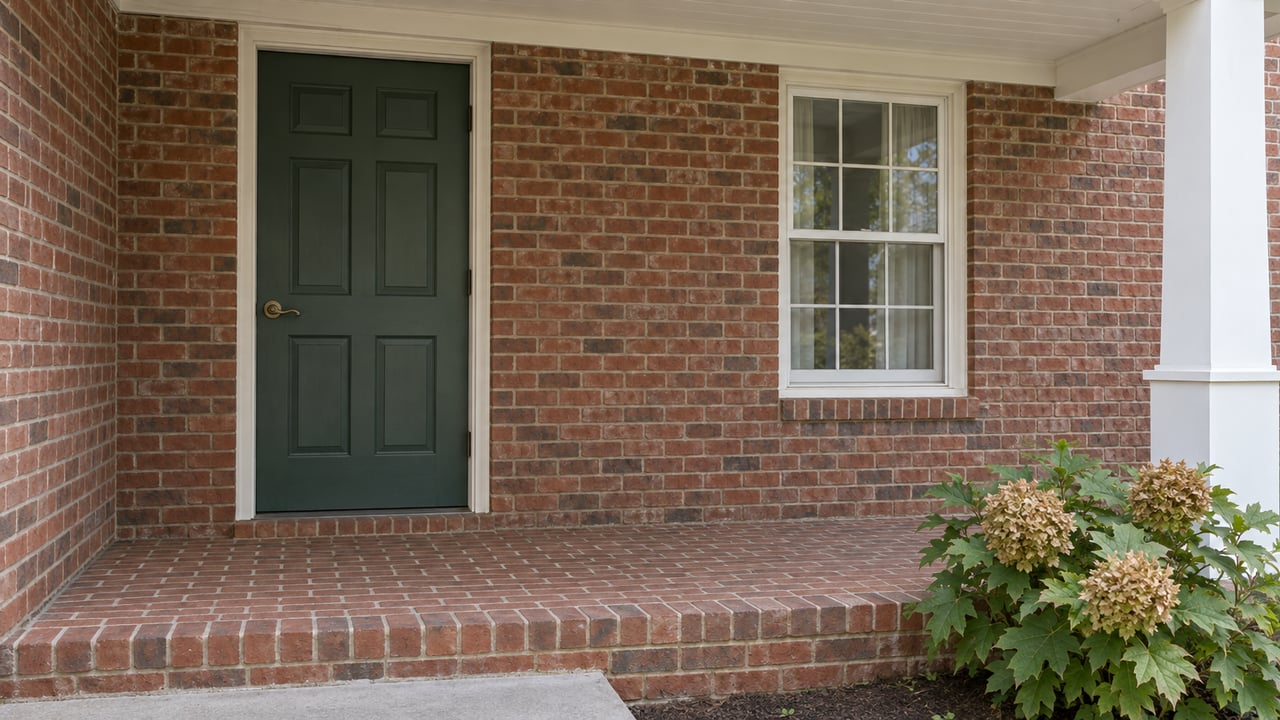
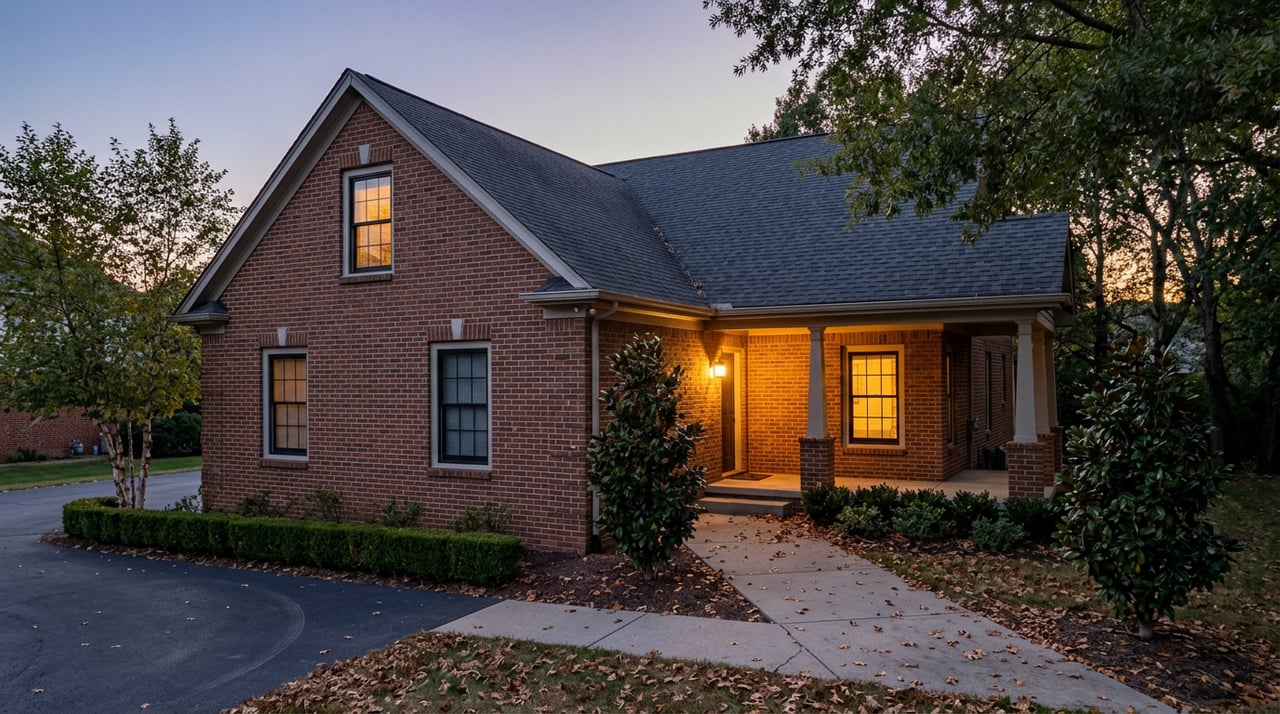
Older homes in Rocky Mount often appeal to buyers who want something with personality. The city’s historic preservation materials point to neighborhoods and districts with homes dating from the 1830s through the mid-20th century, including the Mills Village Historic District.
That history shows up in the streetscape. You may find homes with a more distinct look, mature surroundings, and a feel that is different from newer subdivisions. If you care about charm and a less uniform look, older homes usually offer more of that.
Character stands out
Many older homes offer details that are harder to find in newer construction. While every property is different, older homes are often the better fit if you like established settings and traditional architectural character.
In Rocky Mount, that can be a meaningful advantage because so much of the housing stock has been part of the community for decades. For some buyers, that sense of place matters just as much as square footage.
Floor plans may feel more traditional
New homes are more likely to have open kitchen, dining, and family spaces. By comparison, older homes often have more separated rooms and a more formal layout.
That is not automatically a drawback. If you prefer defined spaces for cooking, dining, working, or relaxing, an older layout may actually fit your lifestyle better.
Renovation potential can be a plus
Older homes can give you room to improve over time. If you are comfortable making updates after closing, you may be able to tailor the home to your needs instead of paying upfront for every modern finish.
They can also be strong candidates for energy upgrades. The U.S. Department of Energy notes that older homes are often the focus of retrofit work like insulation, air sealing, and system improvements.
What to watch with older homes
The flip side of charm is upkeep. Older homes can come with more maintenance needs, and some issues may affect financing or insurance.
That does not mean you should avoid them. It just means you should go in with your eyes open and a realistic budget.
Lead disclosure matters
If a home was built before 1978, lead-based paint disclosure is required in most cases. In a city like Rocky Mount, where a large share of homes are older, this is a routine part of the process rather than a rare exception.
You will want to review disclosures carefully and ask about renovation history. If updates were made over time, it is smart to understand whether visible hazards or unfinished issues remain.
Repairs can affect financing
Property condition matters during the loan process. Guidance tied to appraisal and housing standards makes it clear that needed repairs, deterioration, and safety concerns can affect whether a home qualifies as-is.
This is one reason an older home with a low price can still be more complicated than it first appears. If deferred maintenance shows up during inspection or appraisal, you may need repairs before closing or a different loan strategy.
Historic district rules may affect plans
If you are looking in a local historic district, the city says the designation affects exterior appearance and landscape features. Exterior changes may go through the Historic Preservation Commission.
That is especially important if you are planning to replace windows, add a porch, or change the outside look. Before you buy, make sure your renovation plans match the local rules.
Why buyers choose newer homes
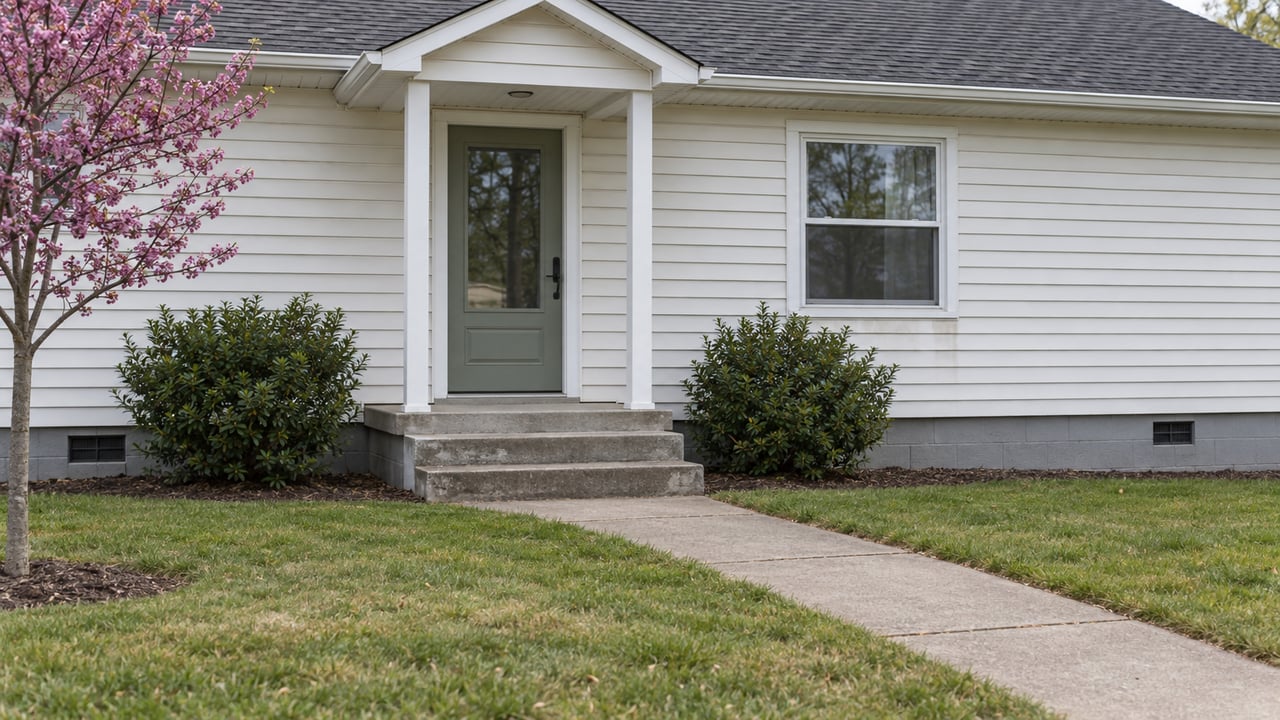
Newer homes often win on convenience. If you want a more current layout, newer systems, and fewer near-term projects, they can be an easier fit.
For many buyers, the appeal is simple. You move in, settle down, and spend less time thinking about what needs attention first.
Layouts often feel more modern
National homebuilding research shows that new homes are more likely to offer open floor plans, larger square footage, and more bathrooms than existing homes. If you want a kitchen that opens into the main living area or need more flexible everyday flow, newer construction often checks those boxes.
That can be especially helpful if you work from home, host often, or simply prefer a less segmented layout. In practical terms, newer homes tend to align better with how many buyers live today.
Systems may be more current
Newer homes also tend to appeal to buyers who want more up-to-date construction and performance. Energy-efficient new homes are designed as integrated systems for comfort, efficiency, and durability.
That does not guarantee low costs or zero issues, but it can mean fewer immediate upgrades. If you want a home that feels more move-in ready from a systems standpoint, newer may be the safer bet.
Near-term surprises may be fewer
A newer home is not automatically perfect, but buyers often face fewer immediate repair concerns than they might in an older house. Even so, inspections still matter.
Appraisal guidance makes clear that adverse conditions must still be reported, even in homes where issues may seem minor. So a newer home still deserves the same careful review before you close.
Rocky Mount issues to check either way
Whether you buy old or new, some local questions matter on every purchase in Rocky Mount. These factors can affect your budget, comfort, and future plans no matter the year the home was built.
Floodplain and drainage
Floodplain location is a major local issue to check. The city notes that some properties may lie at least partly in a floodplain, and certain flood hazard areas have stricter limits on development.
Before you move forward, ask about drainage history, standing water, and whether any part of the property falls within a mapped flood hazard area. This is one of those issues that can shape insurance costs and long-term peace of mind.
Utility and stormwater service
Rocky Mount’s public utility system serves customers across Nash and Edgecombe counties and includes electricity, natural gas, water, wastewater, refuse, recycling, and stormwater services. That makes it smart to ask detailed questions about utility setup and who handles what.
You should also ask whether the property has had recurring drainage problems. A home can look great during a showing but still have stormwater concerns that only show up after heavy rain.
Inspection and loan fit
The best house on paper is not always the easiest one to close on. Condition, safety, and needed repairs can shape both appraisal results and financing options.
That is why the smartest comparison is not just old versus new. It is also which property is easiest for you to finance, insure, maintain, and enjoy after move-in.
Questions to ask before you decide
If you are comparing an older home and a newer one, bring these questions into your search:
- What signs of moisture, drainage trouble, or past flooding does the inspector see?
- If the home was built before 1978, what lead-related disclosures or visible concerns should you review?
- Are there repairs or condition issues that could affect appraisal or loan approval?
- If two homes are priced similarly, how might utilities, insurance, and repair reserves differ over time?
- If the home is in a historic district, will your planned exterior updates need approval?
These questions can help you move past surface-level appeal and focus on the full cost of ownership.
Which choice is better for you?
An older home may be the better fit if you value character, established surroundings, and the chance to improve the property over time. A newer home may make more sense if you want open living space, more current systems, and fewer immediate projects.
In Rocky Mount, neither option is automatically better. The real answer depends on how much work you are comfortable taking on, how flexible your financing is, and what kind of home life you want after closing.
A plainspoken local guide can make that comparison much easier. If you want help weighing older versus newer homes in Rocky Mount, Integrity Realty Group, LLC offers hands-on buyer guidance, local market knowledge, and straightforward support every step of the way.
FAQs
Should you buy an older home in Rocky Mount?
- You may prefer an older Rocky Mount home if you want more character, a traditional layout, and the chance to update the property over time, but you should budget carefully for maintenance, inspections, and possible repairs.
Should you buy a newer home in Rocky Mount?
- A newer Rocky Mount home may be a better fit if you want an open floor plan, more current systems, and fewer near-term projects, though you should still get a full inspection before closing.
Are older Rocky Mount homes common?
- Yes. Rocky Mount has a large older housing stock, with the city reporting that 47% of occupied housing units were built before 1980.
Do older homes in Rocky Mount need lead paint disclosure?
- In most cases, homes built before 1978 require lead-based paint disclosure, so this is an important item to review when shopping older properties in Rocky Mount.
Do floodplain issues matter for Rocky Mount homes?
- Yes. The city notes that some properties may lie partly in a floodplain, so you should check flood hazard information, drainage history, and related costs before buying.
Can historic district rules affect older homes in Rocky Mount?
- Yes. In local historic districts, exterior appearance and landscape changes may be regulated, so buyers planning outside updates should verify the rules before closing.