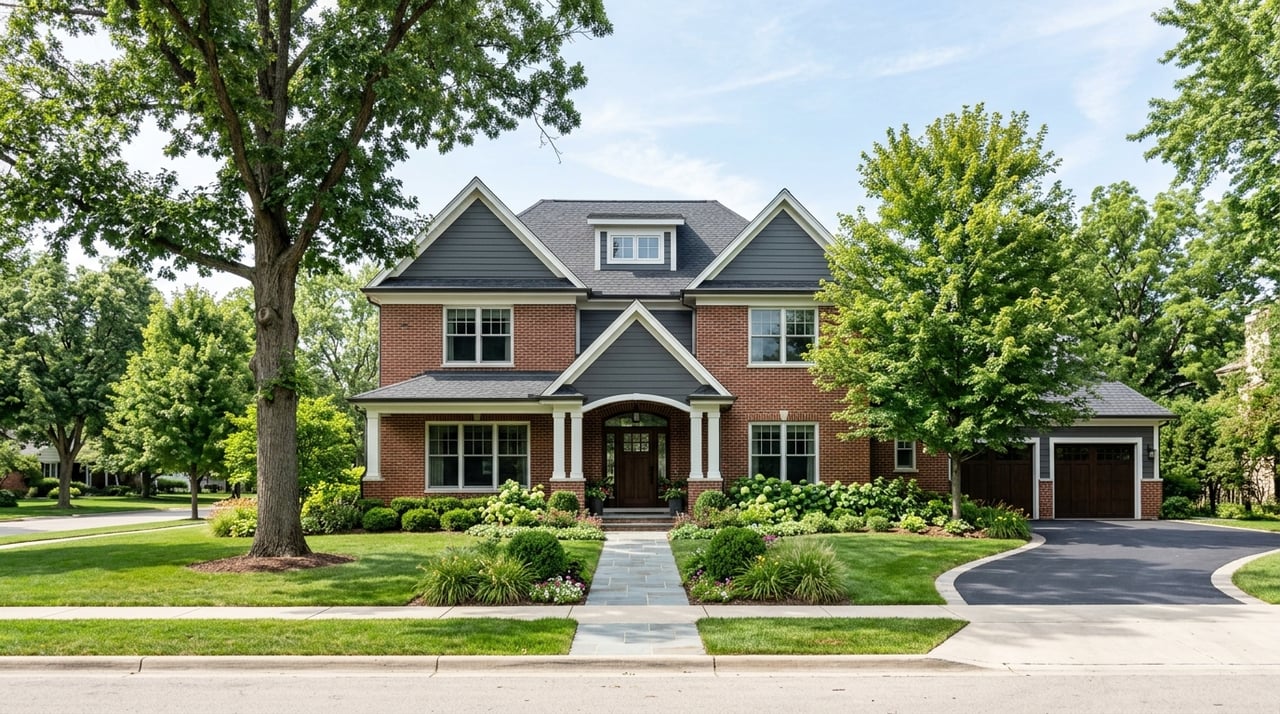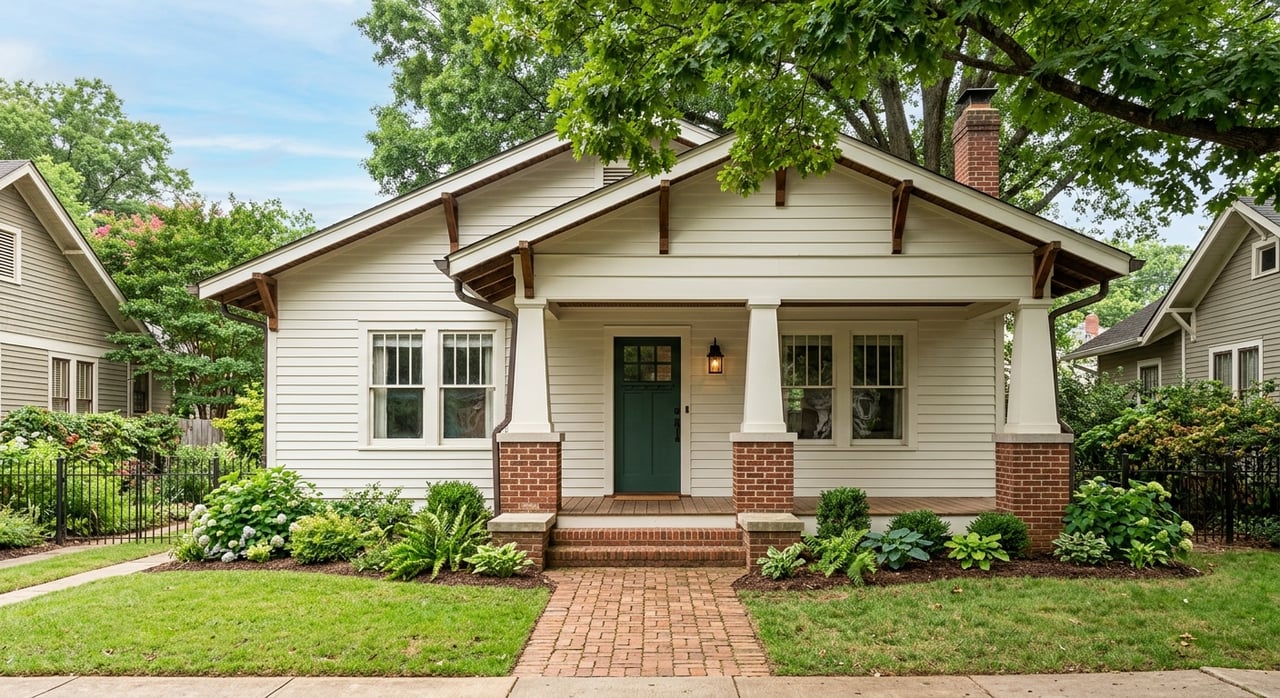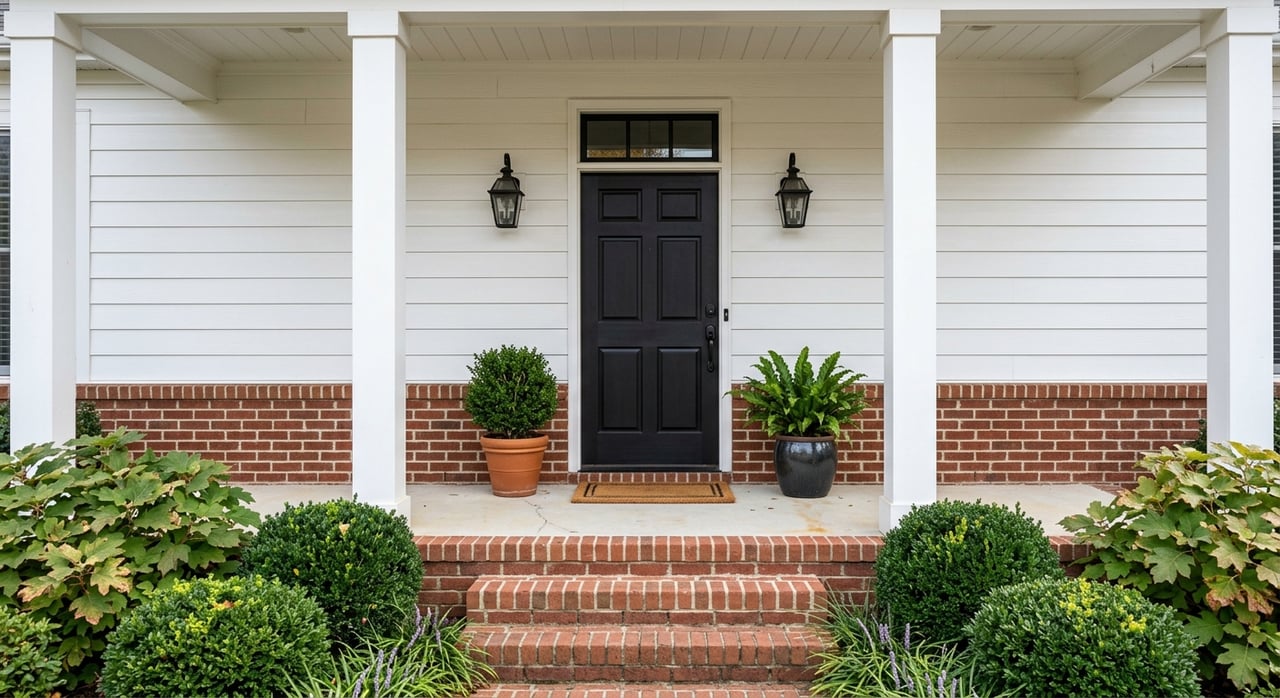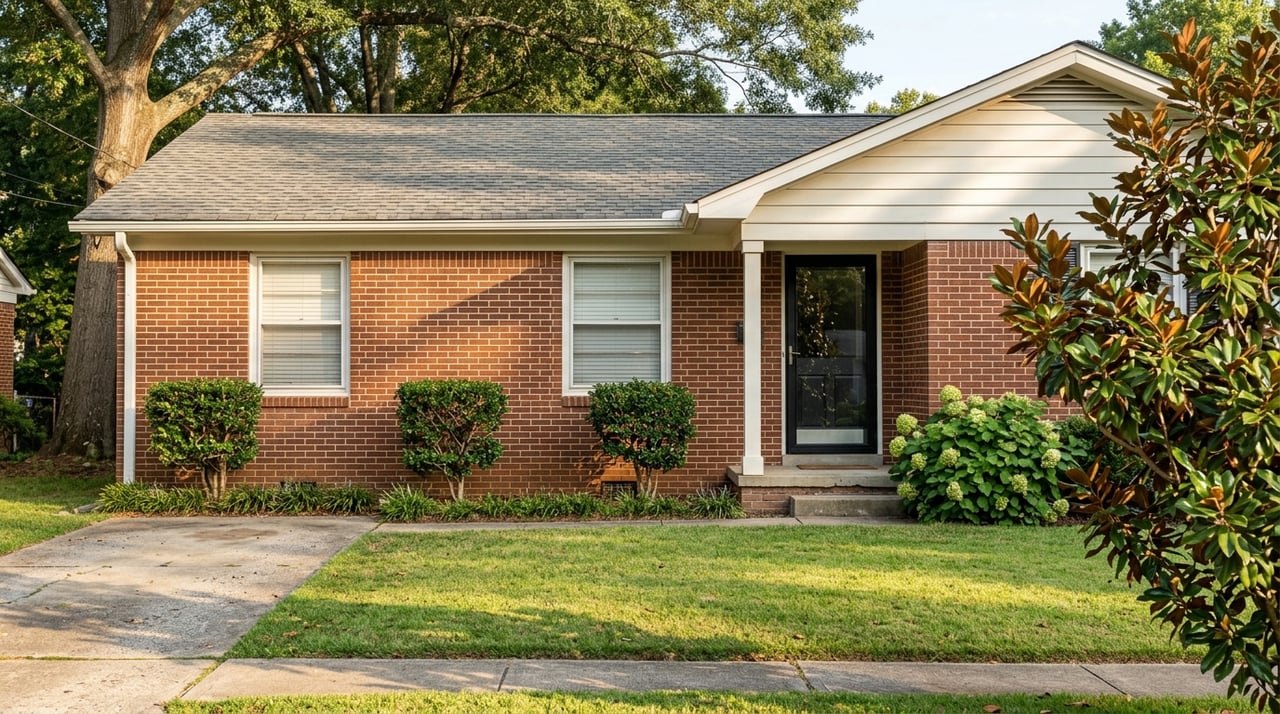
Looking for an affordable way into the Wilson housing market? You are not alone. Many buyers want a home they can grow into, but they also need a monthly payment and repair plan that feels realistic. The good news is that Wilson still offers both smaller starter homes and older homes with room for improvement. The key is knowing how to compare price, condition, and local rules before you make an offer. Let’s dive in.
Why Wilson draws starter-home buyers
Wilson remains a relatively accessible market compared with many larger cities. Current public estimates place the local market in a broad low-to-mid-$200,000s range, with Zillow reporting a typical home value of $220,335 and Redfin showing a median sale price of $254,847 over the most recent three months.
Those numbers are best viewed as a range, not a single exact target. They still tell you something important: Wilson can offer a lower entry point than many markets, but you should expect meaningful variation based on size, condition, and location within the city.
The pace of the market also matters. Zillow reports homes going pending in about 26 days, while Redfin shows average days on market around 54 days. That suggests you may have time to think carefully on some listings, but well-priced homes can still move fast.
What starter homes look like in Wilson
In Wilson, a starter home does not always mean brand new or fully updated. It often means a smaller house, a simpler layout, or a property that needs some cosmetic work but is still livable from day one.
Recent local sales data shows that entry-level homes still exist in the mid-$100,000s. Redfin recently showed examples like a 2-bedroom, 1-bath home listed at $159,900 and a 2-bedroom, 2-bath home listed at $177,700.
That is helpful if you are trying to break into homeownership without stretching to the top of your budget. At the same time, Wilson also has homes priced much higher, including larger properties near $479,900, which shows how wide the city’s price range can be.
Where fixer-uppers may show up
If you are open to a project, Wilson has a strong supply of older housing stock. The city’s local historic districts include Old Wilson, with homes dating from the 1850s through the 1920s, West Nash with many homes from the 1910s and 1920s, and Broad-Kenan reflecting growth from 1890 through the Depression era.
Together, those three local historic districts cover about 740 parcels. That does not mean every older home is a fixer-upper, but it does mean Wilson has many homes where age, original materials, and deferred updates can become part of the buying decision.
In practical terms, some of the most likely fixer-upper opportunities may be older in-town homes where the value comes from the lot, structure, and setting rather than perfect finishes. For the right buyer, that can create an opportunity to build equity over time.
Starter home or fixer-upper?
The right choice depends on your cash reserves, schedule, and comfort level with repairs. A lower price is attractive, but the cheapest home is not always the most affordable once you factor in systems updates, permits, and carrying costs.
Here is a simple way to think about it:
Move-in-ready starter homes
A move-in-ready starter home may work best if you:
- Want predictable monthly costs
- Have limited savings after closing
- Need to move quickly
- Prefer smaller cosmetic updates over major repairs
These homes may still need paint, flooring, or minor kitchen and bath improvements. But the biggest systems are less likely to demand immediate attention.
Cosmetic fixer-uppers
A cosmetic fixer-upper may be a good fit if you:
- Want a lower purchase price
- Can live with dated finishes for a while
- Have funds for steady improvements
- Do not mind taking on small projects over time
This category usually makes the most sense for buyers who want upside without taking on a full renovation.
Major rehab homes
A deeper rehab only makes sense when you have a clear plan. You need enough savings, the right financing if required, and patience for inspections, contractor timelines, and possible permit review.
If the home is in a local historic district, exterior changes may also need an extra layer of approval before work begins.
How to judge condition wisely
When you tour homes in Wilson, it helps to separate cosmetic issues from systems issues. Cosmetic issues can feel dramatic in photos, but they are often easier to fix than the items you cannot see at first glance.
Wilson’s own rehabilitation program gives a useful picture of what counts as essential repair work. Eligible repairs include roof work, kitchen and bath repairs, plumbing and electrical fixes, floors, windows, walls, ceilings, and HVAC replacement.
As you compare homes, pay close attention to:
- Roof age and visible wear
- Plumbing condition
- Electrical system updates
- Heating and cooling performance
- Windows and insulation concerns
- Signs of moisture damage
- Wall and ceiling condition
- Floor stability and wear
A home with outdated cabinets but solid systems may be a far safer starter option than a home with a low list price and major hidden repair needs.
Why inspections matter even more
An independent home inspection is one of the most important steps when buying a starter home or fixer-upper. It can help you understand whether the home needs minor improvements or larger work that could affect safety, habitability, or financing.
The Consumer Financial Protection Bureau notes that an inspection can support negotiation for repairs or credits. It also says that if your contract includes an inspection contingency, you may be able to cancel without penalty if the results are not satisfactory.
Lenders may also weigh in if big issues are found. In some cases, required repairs may need to be completed before closing, or money may need to be set aside for repairs right after closing.
Repair budgets: what is realistic?
One of the biggest mistakes buyers make is underestimating repair costs. It helps to build a repair budget before you shop, not after you fall in love with a house.
Wilson’s Essential Single-Family Rehabilitation Loan Pool offers a useful local benchmark. That program is for owner-occupied homes in Wilson County and requires at least $5,000 and no more than $70,000 in essential repairs for eligible households.
That range does not set the price of every renovation, but it does show what local officials view as a meaningful light-to-moderate repair scope. If a house clearly needs more than that, you should treat it as a major project and plan accordingly.
Financing options can shape your choice
For many buyers, financing determines whether a home is practical. A smaller home in better condition may be easier to finance with a standard mortgage, while a home needing more work may require a renovation loan.
HUD says the FHA 203(k) program can finance both purchase and rehabilitation for homes that are at least one year old. The Limited 203(k) can finance up to $35,000 in minor improvements and nonstructural repairs, while the Standard 203(k) is designed for more substantial rehabilitation.
North Carolina buyers may also benefit from statewide down payment support if they qualify. The North Carolina Housing Finance Agency says the NC Home Advantage Mortgage offers down payment assistance up to 3% of the loan amount, and the NC 1st Home Advantage Down Payment program offers eligible first-time buyers and military veterans $15,000 in assistance.
For a buyer trying to make Wilson work, that support can make a smaller home or modest rehab more reachable.
Historic district rules to know first
Older homes can be appealing, but local rules matter. If a property is in one of Wilson’s local historic districts, the Historic Preservation Commission must review exterior alterations, new construction, demolitions, and some landscape changes before work begins.
There is an important exception for ordinary maintenance and repair that does not change the design, materials, or outward appearance. Still, if your plan includes exterior updates, it is smart to confirm what review may be required before you commit.
This is one reason a fixer-upper is not just about purchase price. It is also about jurisdiction, timeline, and how much process you are willing to manage.
Permits can affect cost and timing
In Wilson, almost all interior and exterior work requires a building permit before construction begins. If work starts without a permit, the city says a stop-work order and a $100 fee may follow.
That makes permit planning part of your budget from the start. When you estimate renovation costs, remember to account for permit fees, inspections, and the time required to get work approved and completed.
Do not overlook lead safety
If you are considering an older home built before 1978, lead safety should be part of your planning. The EPA says renovation, repair, and painting work in pre-1978 homes can create dangerous lead dust.
The EPA also says buyers and renters of most pre-1978 housing have the right to know whether lead-based paint hazards are present before signing. If you plan to renovate an older Wilson home, this is an issue worth addressing early.
Think beyond the sale price
A starter home budget should include more than principal and interest. Taxes, utilities, insurance, repairs, and future maintenance all affect whether a home feels comfortable month to month.
Wilson’s city page says that in 2025 city residents paid 52.5 cents per $100 of valuation at the city level and 59.5 cents per $100 at the county level, for a combined rate of $1.12. Even on a lower-priced home, taxes should be part of your monthly planning.
For additional context, the Census Bureau reports a median owner-occupied home value of $210,700, median monthly owner cost with a mortgage of $1,436, and median gross rent of $971 in Wilson. Those numbers help show the local balance between renting and owning, but your true monthly cost will depend on the home you choose and the repairs it may need.
A smart Wilson buying strategy
If you are shopping for a starter home or fixer-upper in Wilson, a practical plan usually works better than chasing the lowest price. The best value often comes from matching the property to your budget, your timeline, and your tolerance for repairs.
A strong approach is to:
- Set a monthly payment goal first
- Decide how much repair work you can realistically handle
- Keep cash in reserve after closing
- Ask early about permits and historic-district status
- Schedule an inspection as soon as your contract allows
- Compare financing options before targeting major rehab homes
Wilson can offer real opportunity for buyers who stay focused and plan carefully. A smaller move-in-ready home may give you a simpler start, while an older home with manageable updates may offer more long-term upside if you buy with clear eyes.
If you want straightforward guidance as you compare homes in Wilson, Integrity Realty Group, LLC is here to help you weigh price, condition, and next steps with confidence.
FAQs
What price range should you expect for starter homes in Wilson, NC?
- Current public data suggests Wilson is generally a low-to-mid-$200,000s market overall, but some smaller entry-level homes still appear in the mid-$100,000s depending on size and condition.
Are fixer-uppers in Wilson, NC usually older homes?
- Often, yes. Wilson has a large supply of older homes, including many within local historic districts, so fixer-upper opportunities are commonly tied to age, deferred updates, and original features.
Do homes in Wilson historic districts have extra renovation rules?
- Yes. In Wilson’s local historic districts, exterior alterations, new construction, demolitions, and some landscape changes must be reviewed by the Historic Preservation Commission before work begins.
Do you need permits for fixer-upper work in Wilson, NC?
- In many cases, yes. Wilson says almost all interior and exterior work requires a building permit before construction starts.
What repairs matter most when buying a Wilson fixer-upper?
- Focus first on major systems and habitability items such as the roof, plumbing, electrical, HVAC, windows, moisture issues, and wall or ceiling damage before worrying about cosmetic finishes.
Can you finance a fixer-upper purchase in Wilson, NC?
- Potentially, yes. HUD says FHA 203(k) loans can finance purchase and rehabilitation for qualifying homes, and North Carolina also offers down payment assistance programs for eligible buyers.
Is a move-in-ready starter home better than a fixer-upper in Wilson?
- It depends on your budget, timeline, and comfort level with repairs. A move-in-ready home may be better if you want fewer surprises, while a fixer-upper may work if you have reserves and a realistic renovation plan.